West Palm Beach in July: Heat, Light, and Coastal Wildlife
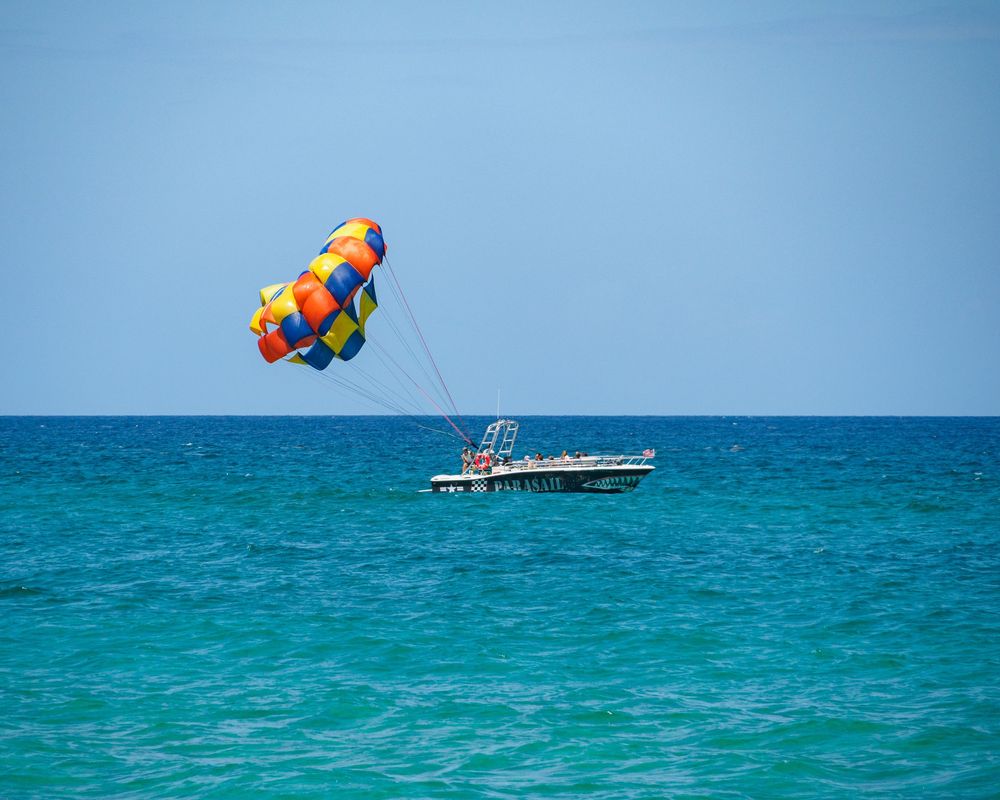
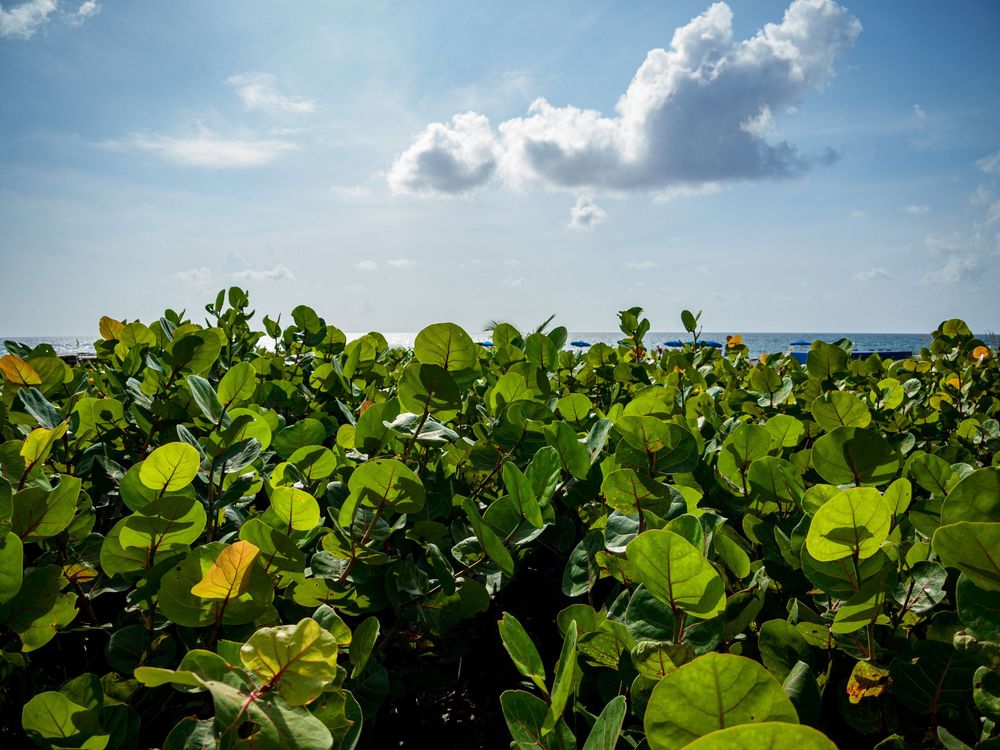
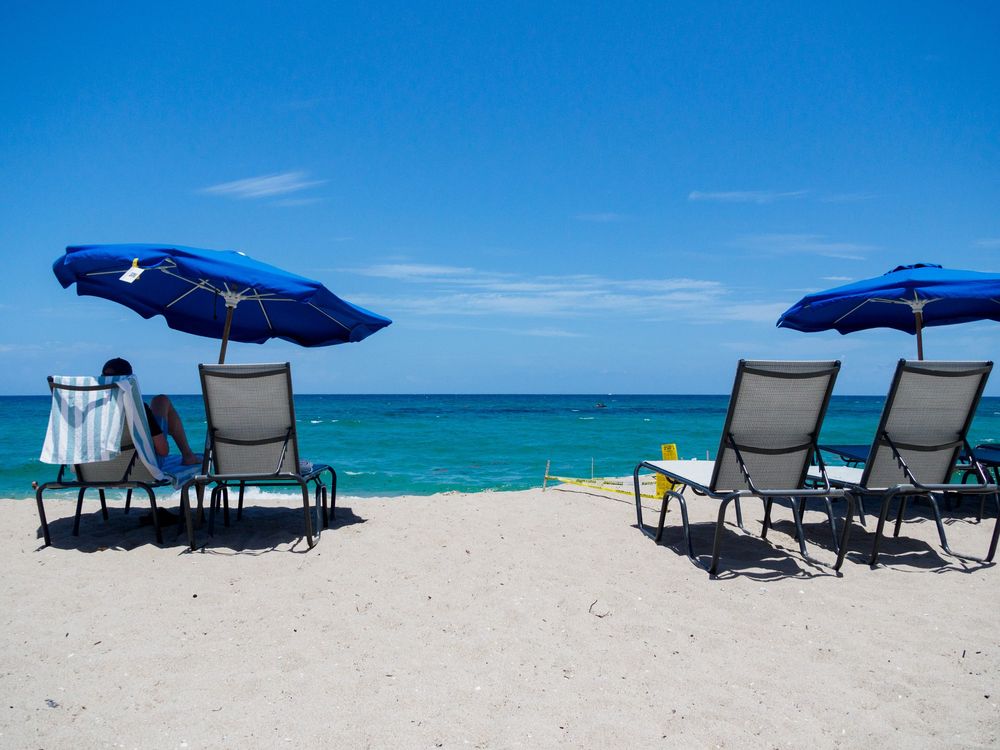
West Palm Beach in July has a very specific intensity. The sun hits the Atlantic around 6:30 AM, and within minutes, the air turns into a thick, saltwater haze. Most tourists head straight back to their air-conditioned rooms by 9:00 AM, but if you’re willing to sweat through your shirt, mid-summer is an incredible time to shoot. The high sun creates brutal shadows, but it also brings out intense colors in the water and sky that you just don't get during the milder winter months.
- I spent a few days exploring the area with a lightweight kit centered around the OM System OM-5. I brought three lenses: the 17mm f/1.8, the 45mm f/1.8, and the 14–150mm f/4–5.6 II. The Micro Four Thirds system kept my setup portable in the heavy humidity while giving me massive focal range.
Early Light along the Intracoastal
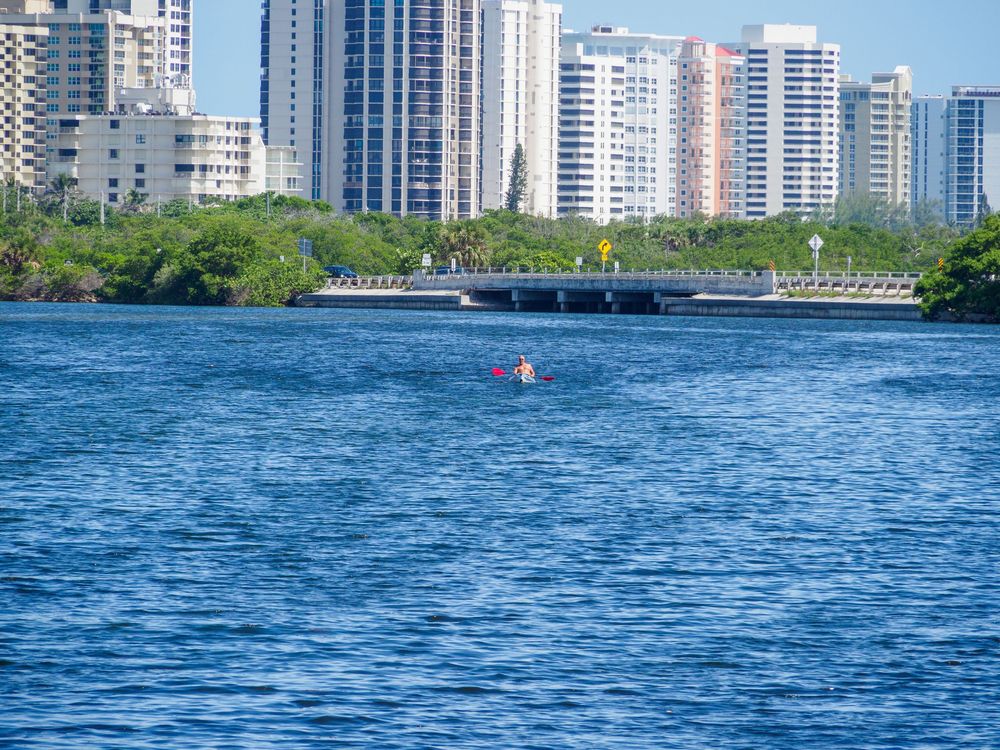
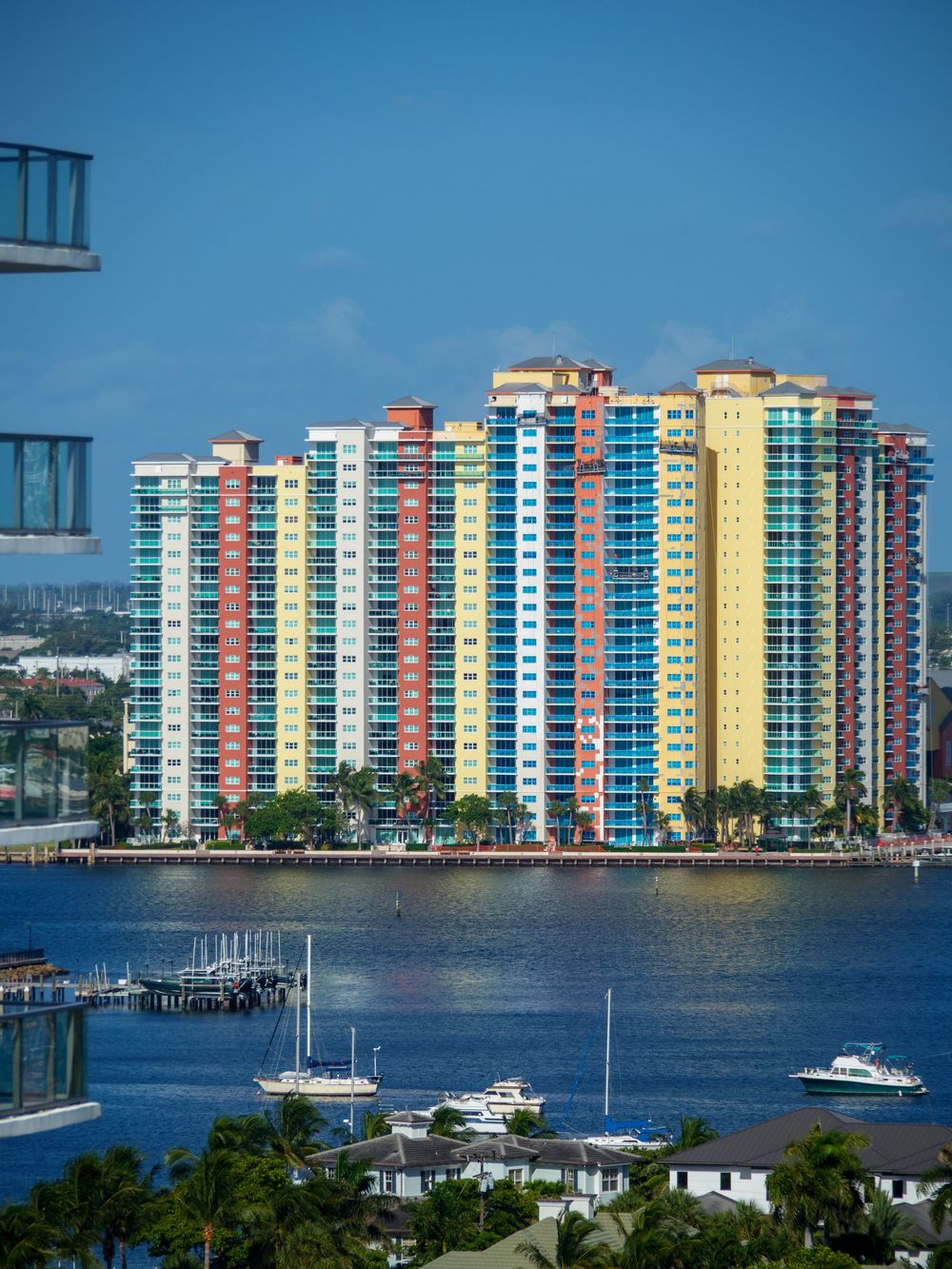
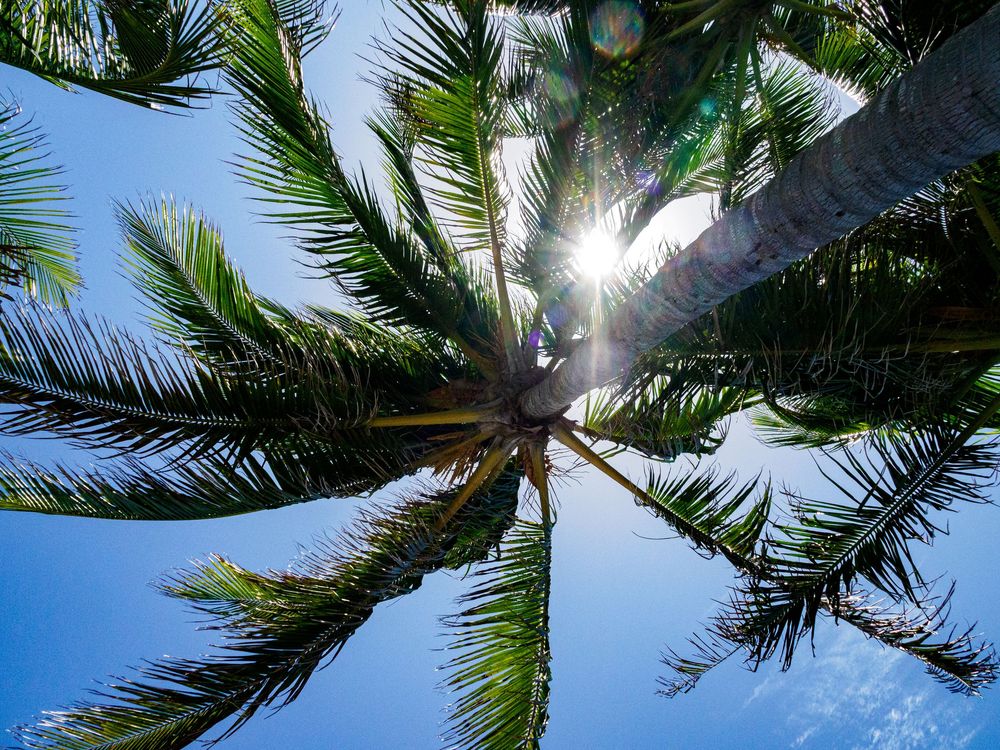
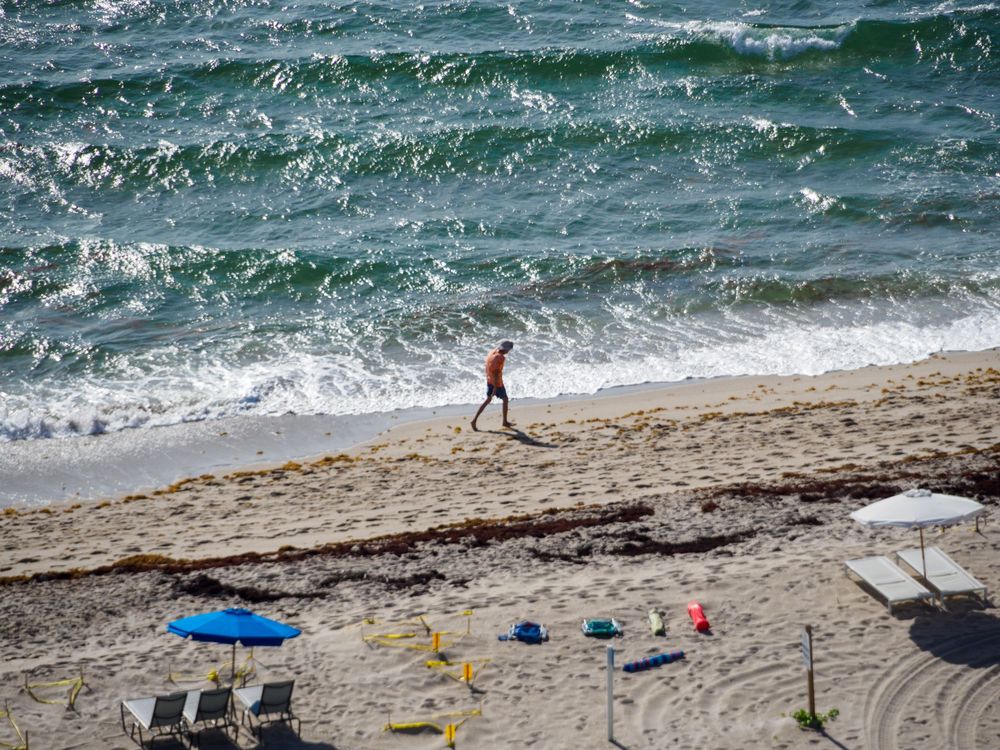
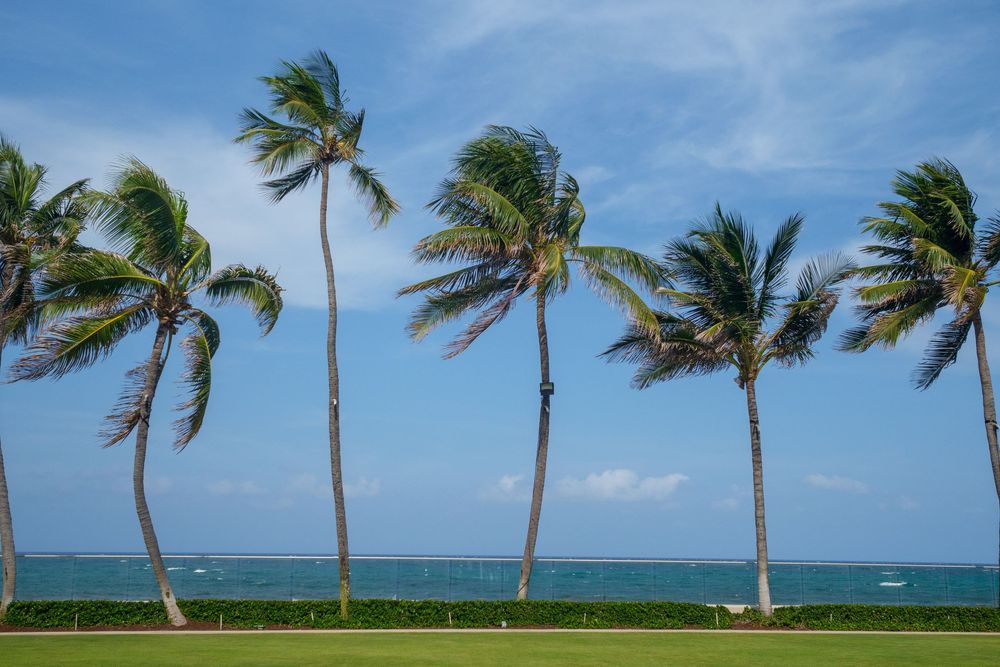
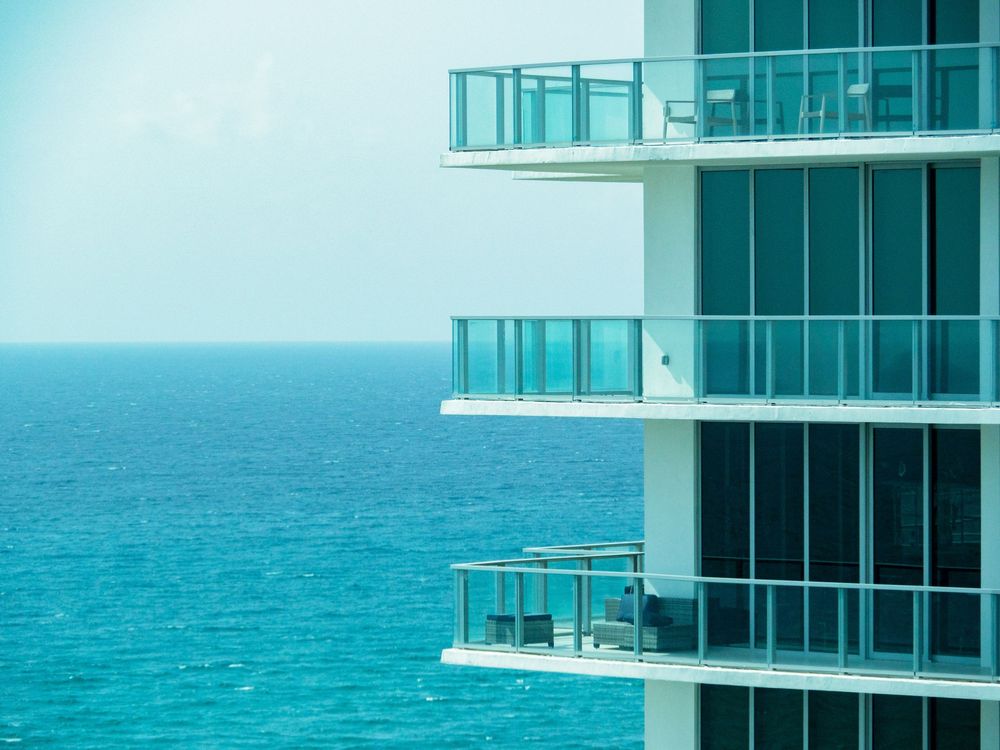
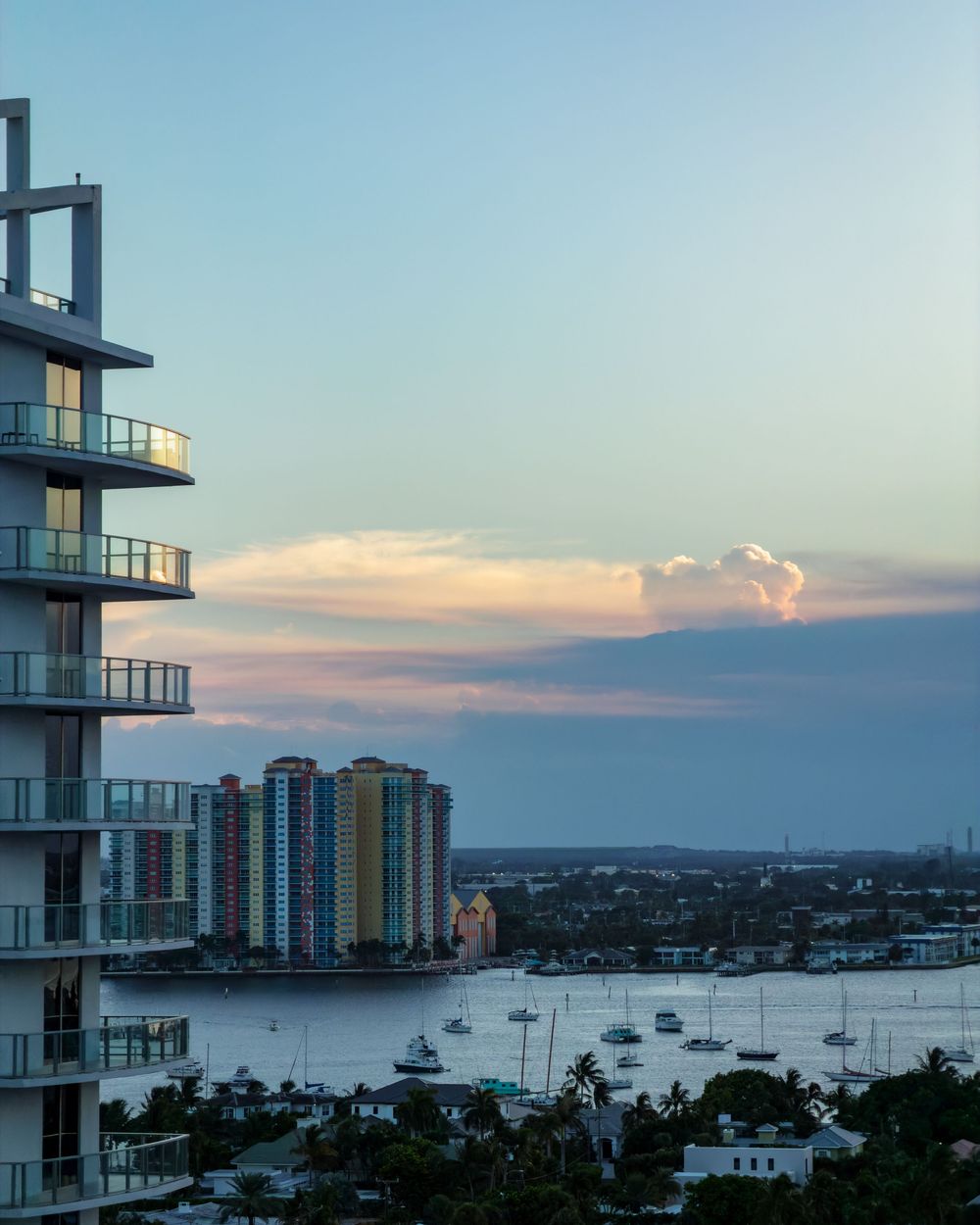
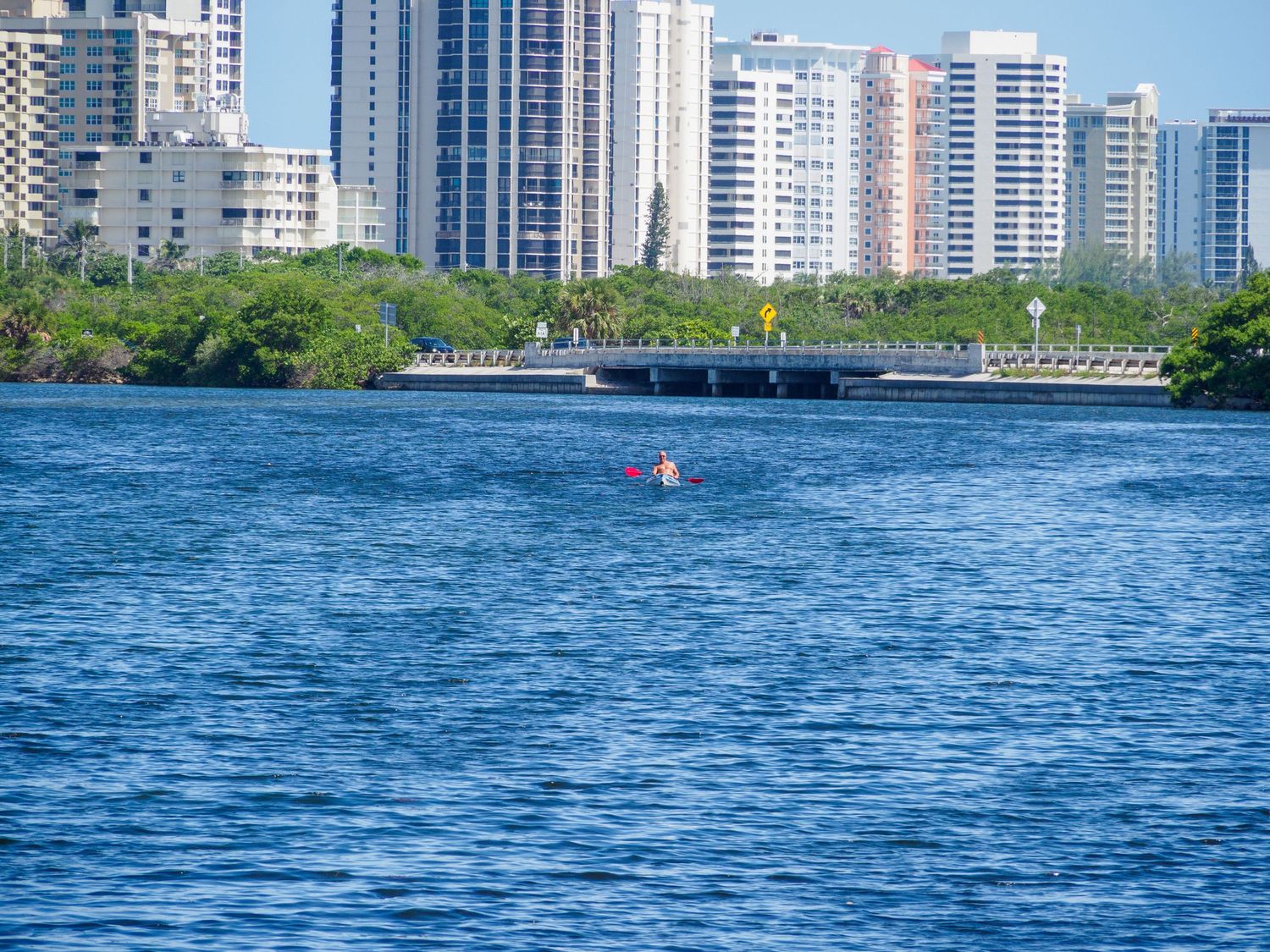
I started my mornings along the Intracoastal Waterway before the heat became oppressive. For wide shots, I kept the 17mm f/1.8 mounted (a classic 35mm full-frame equivalent). From elevated spots along the bridges or parking structures, you get a clear view of how the city sits on the water: white high-rises, bright blue channels, and deep green palm canopies stretching out beneath them.
The challenge here is the contrast. By 8:00 AM, the harsh sunlight turns building facades into bright blinding white blocks. To avoid blowing out the highlights, I dialed my exposure compensation down to -0.7 EV and monitored the highlight warnings in the EVF.
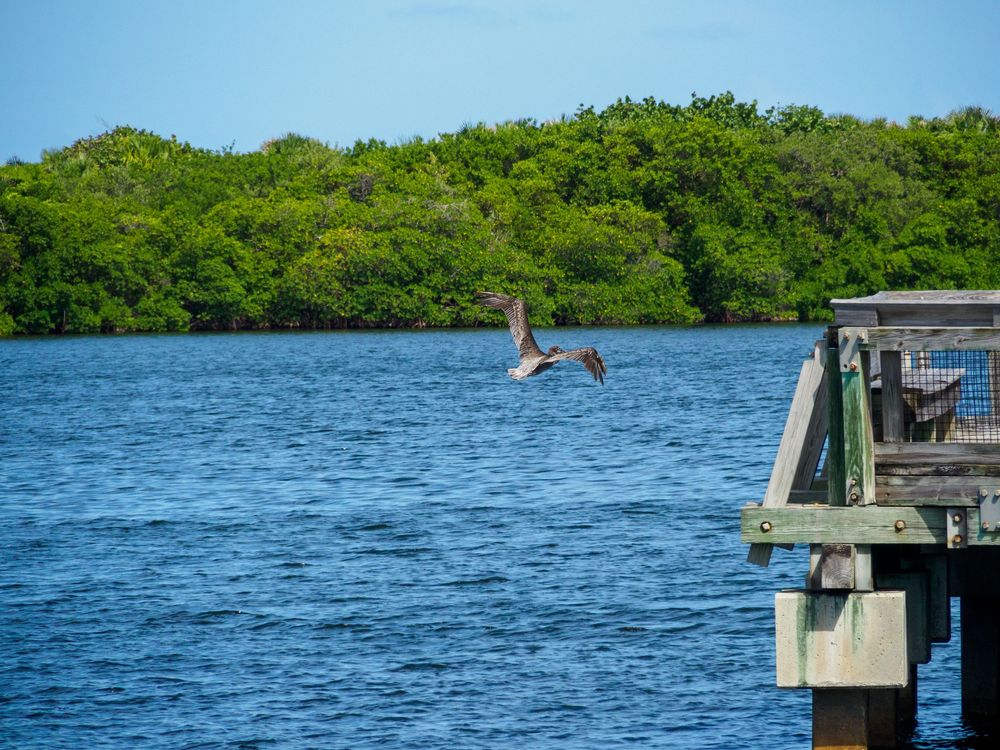
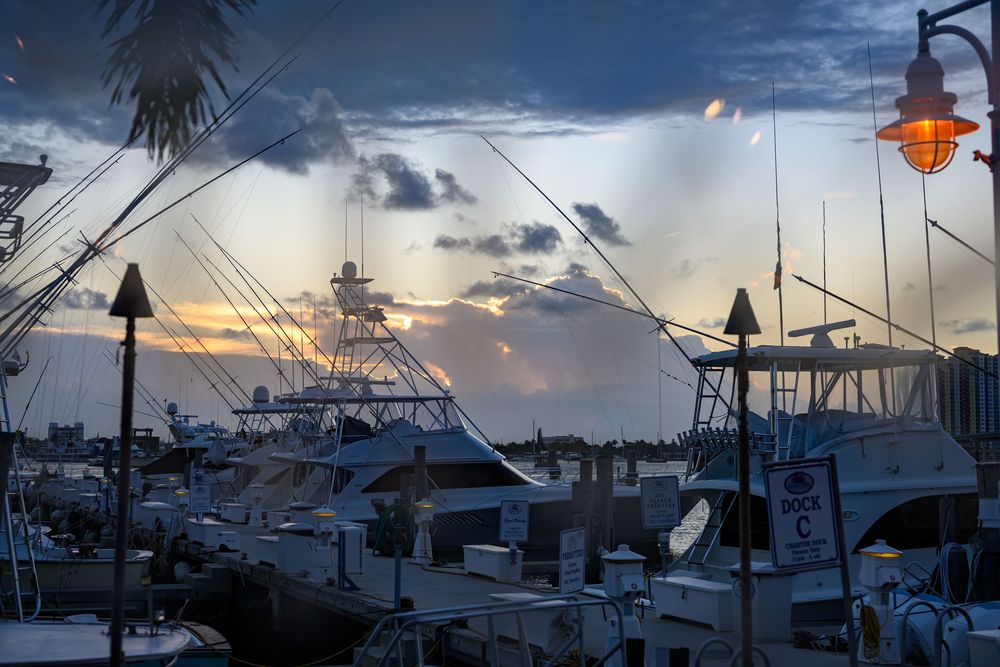
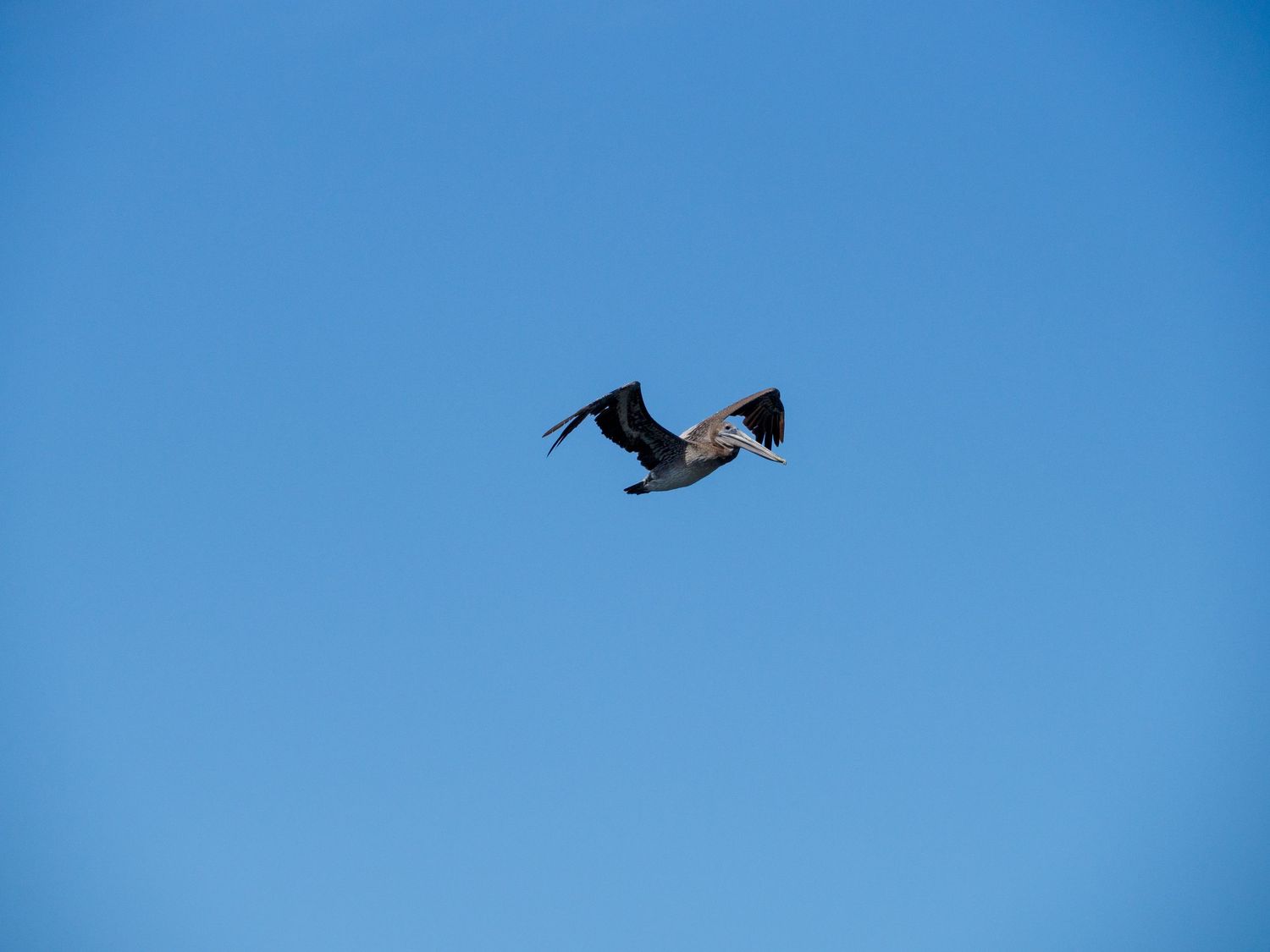
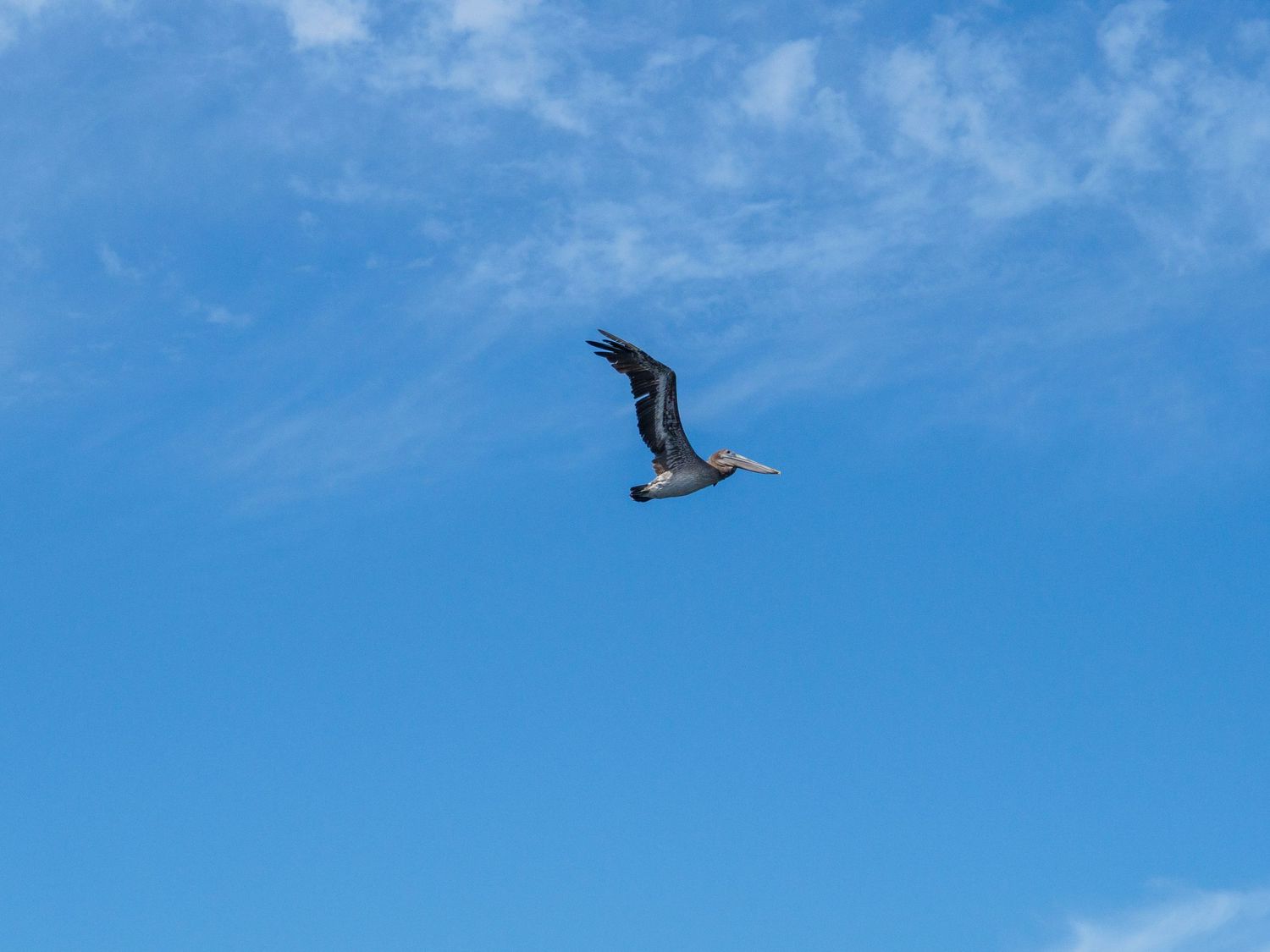
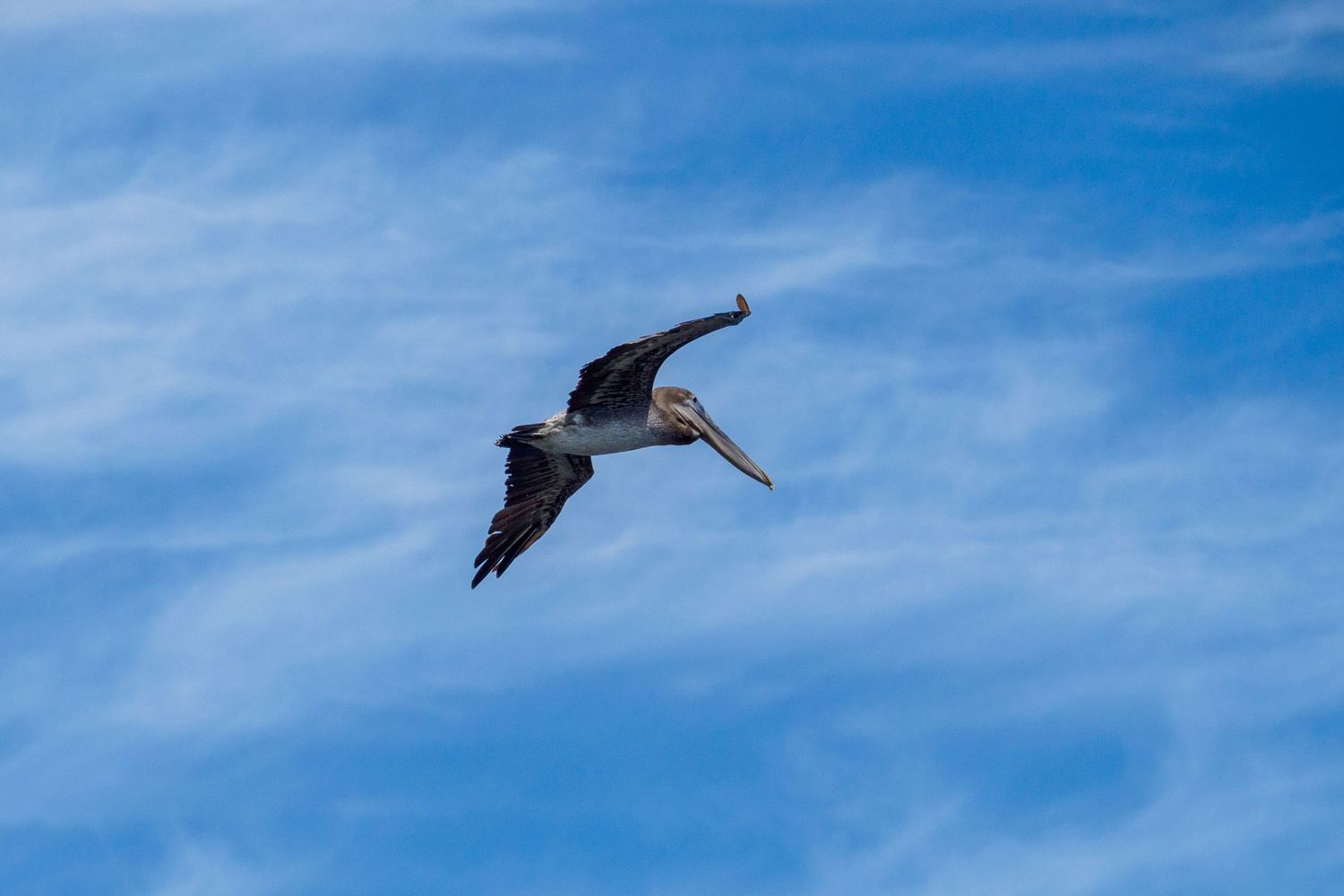
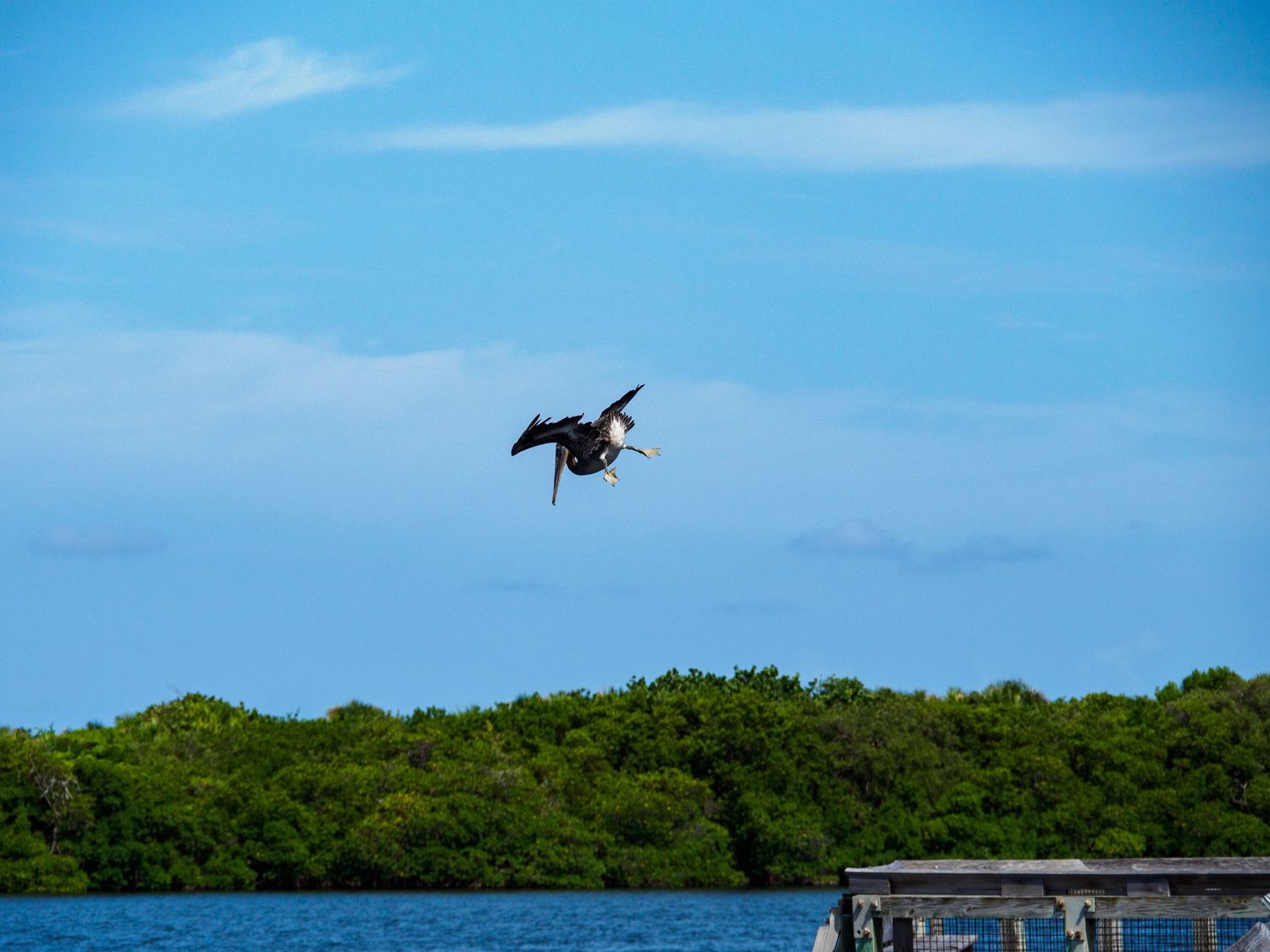
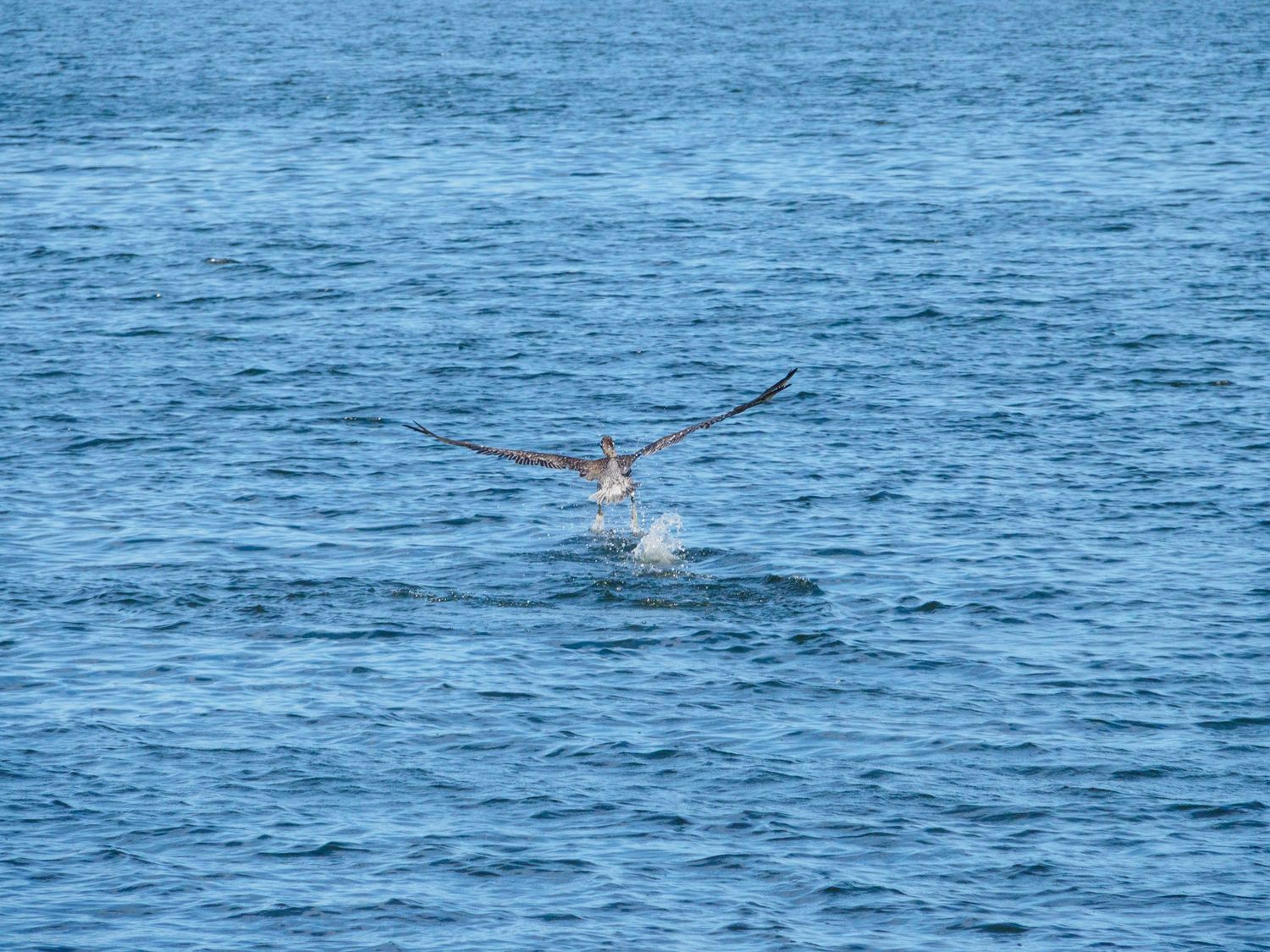
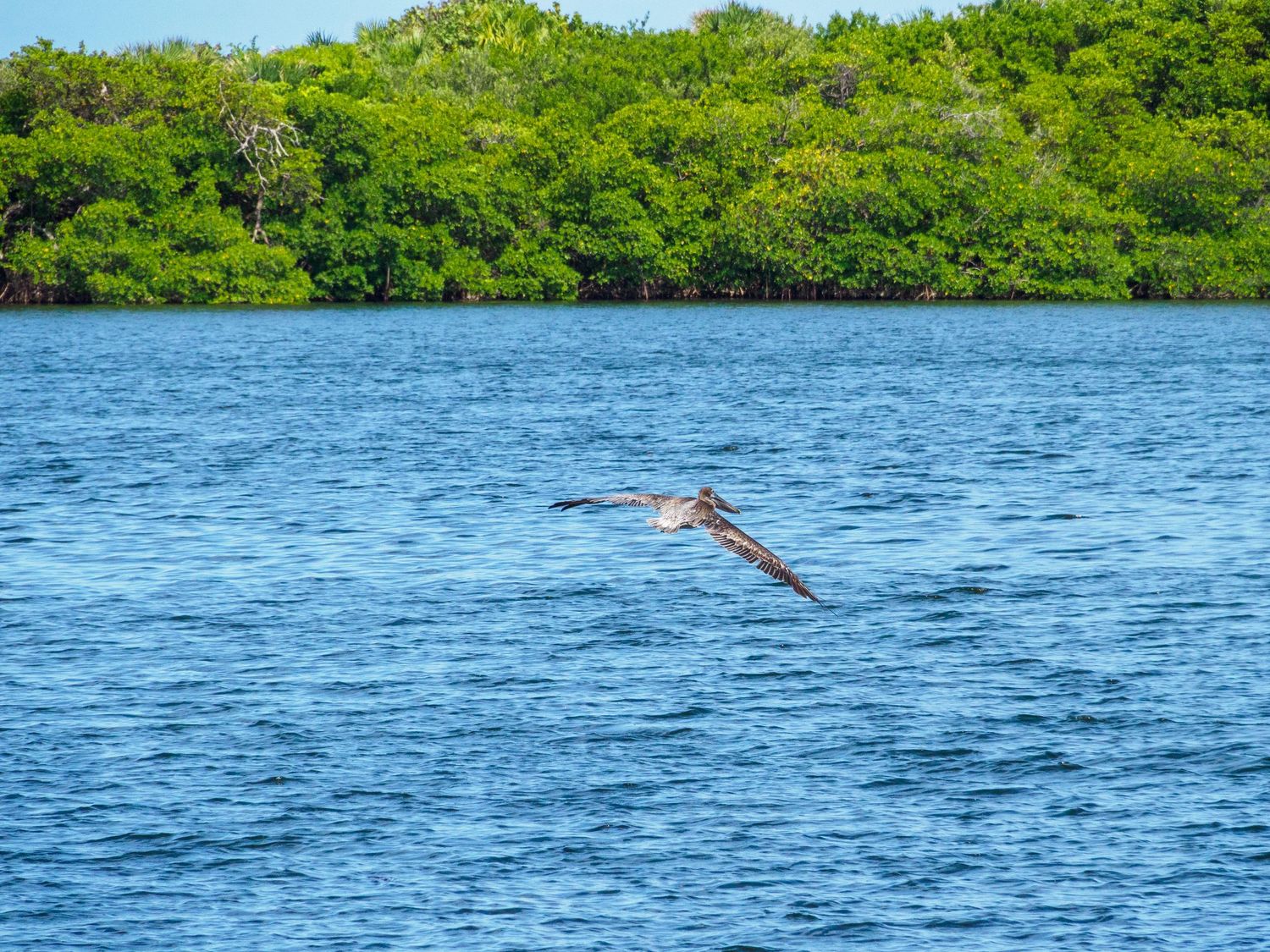
Down at water level along the seawall, I switched to the 45mm f/1.8 (a 90mm equivalent). That extra reach let me frame joggers, pelicans gliding past, and early-bird swimmers without getting too close. The fast aperture opened up nice background separation, turning the ocean surface into soft bokeh. Because the light reflects off both the water and bright concrete, I kept my shutter speed above 1/1000s to handle the glare.

Birding
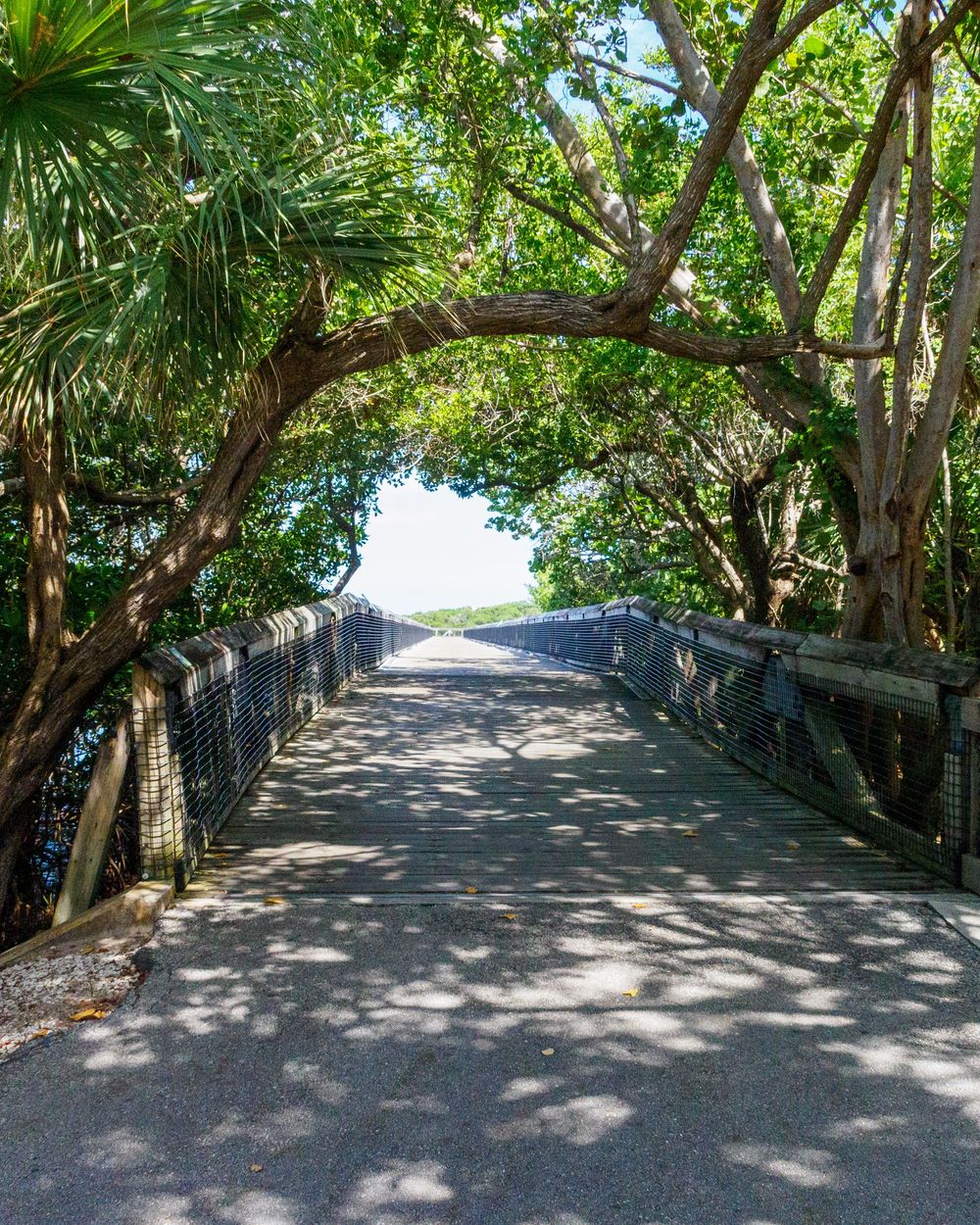
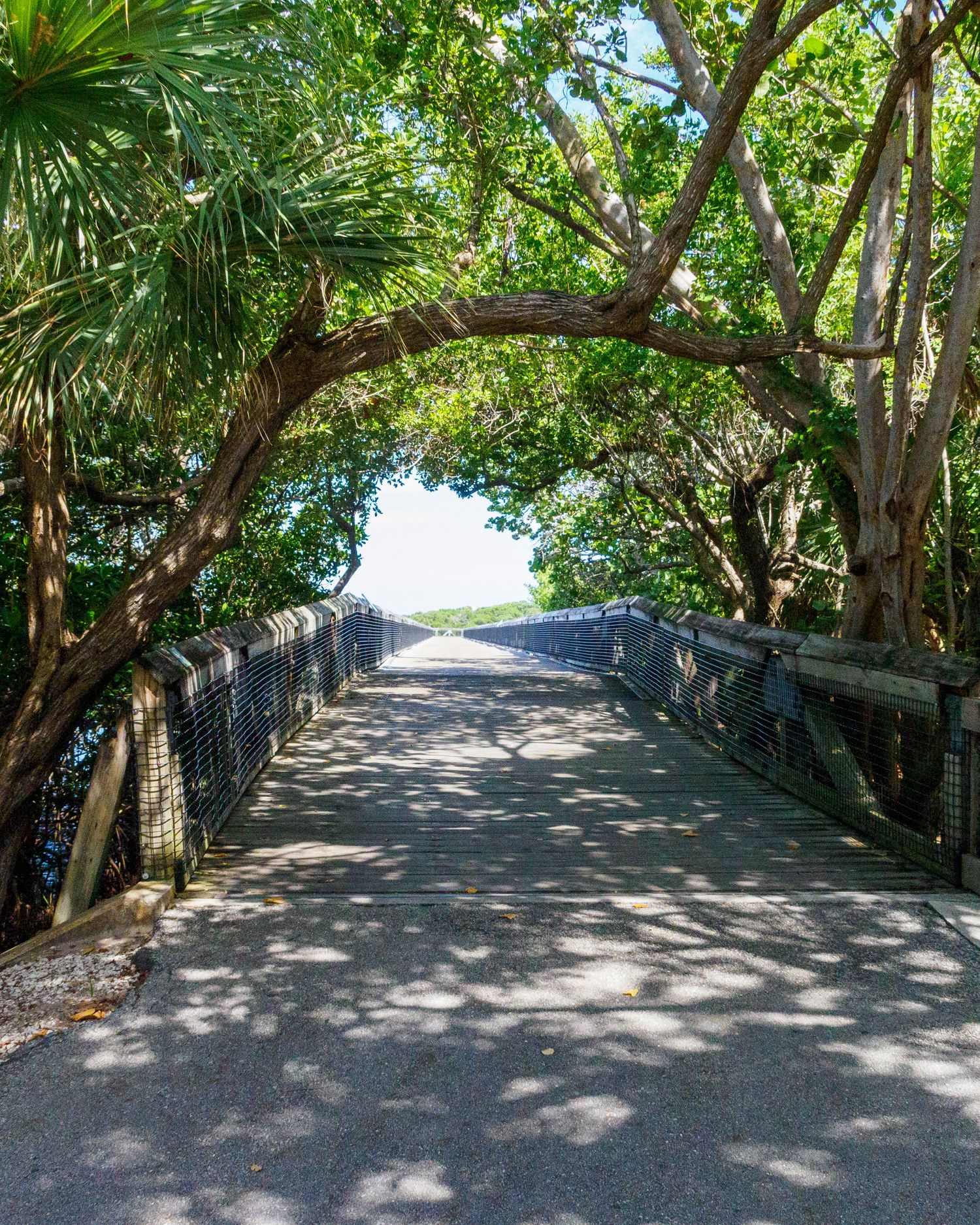
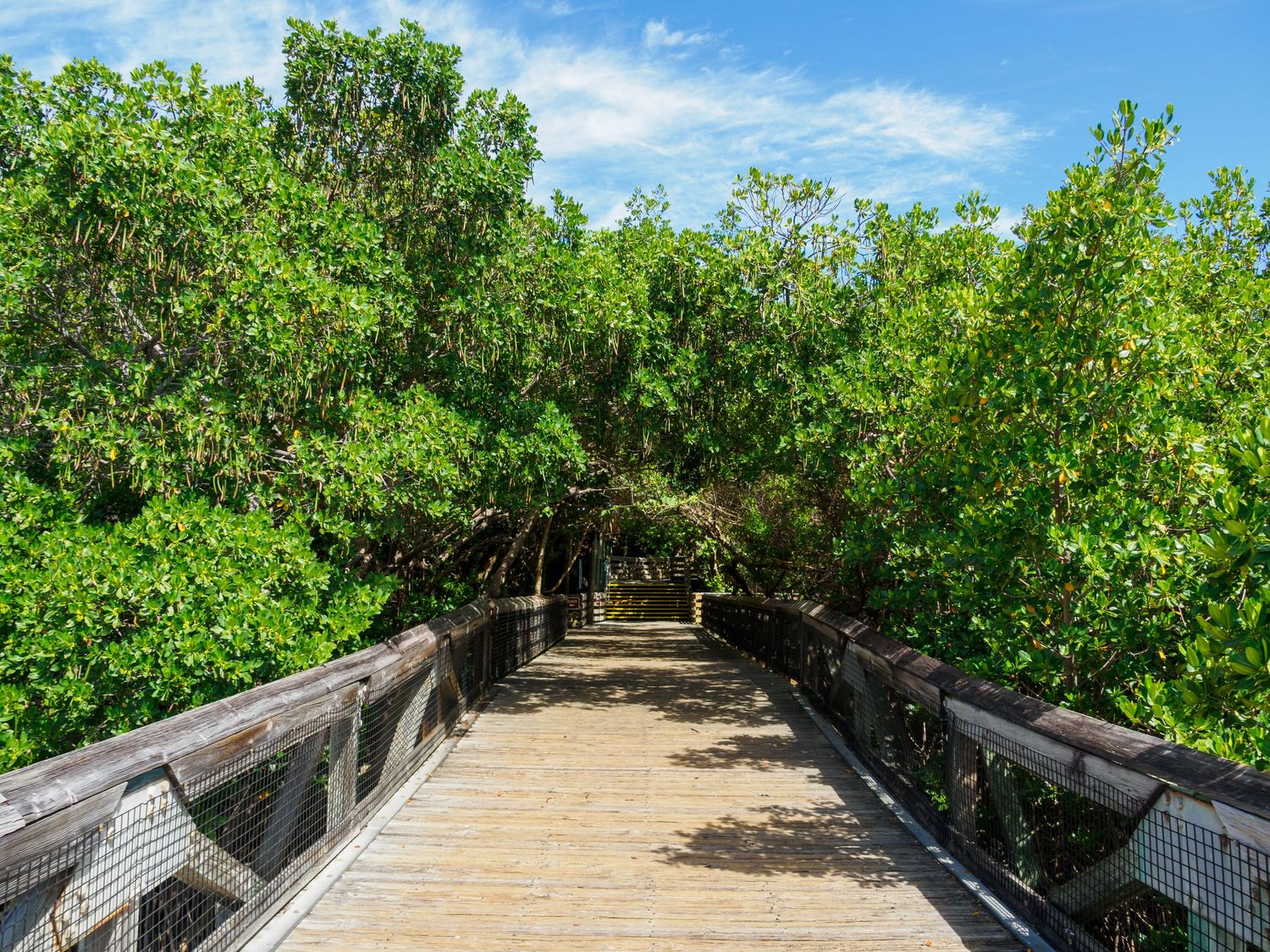
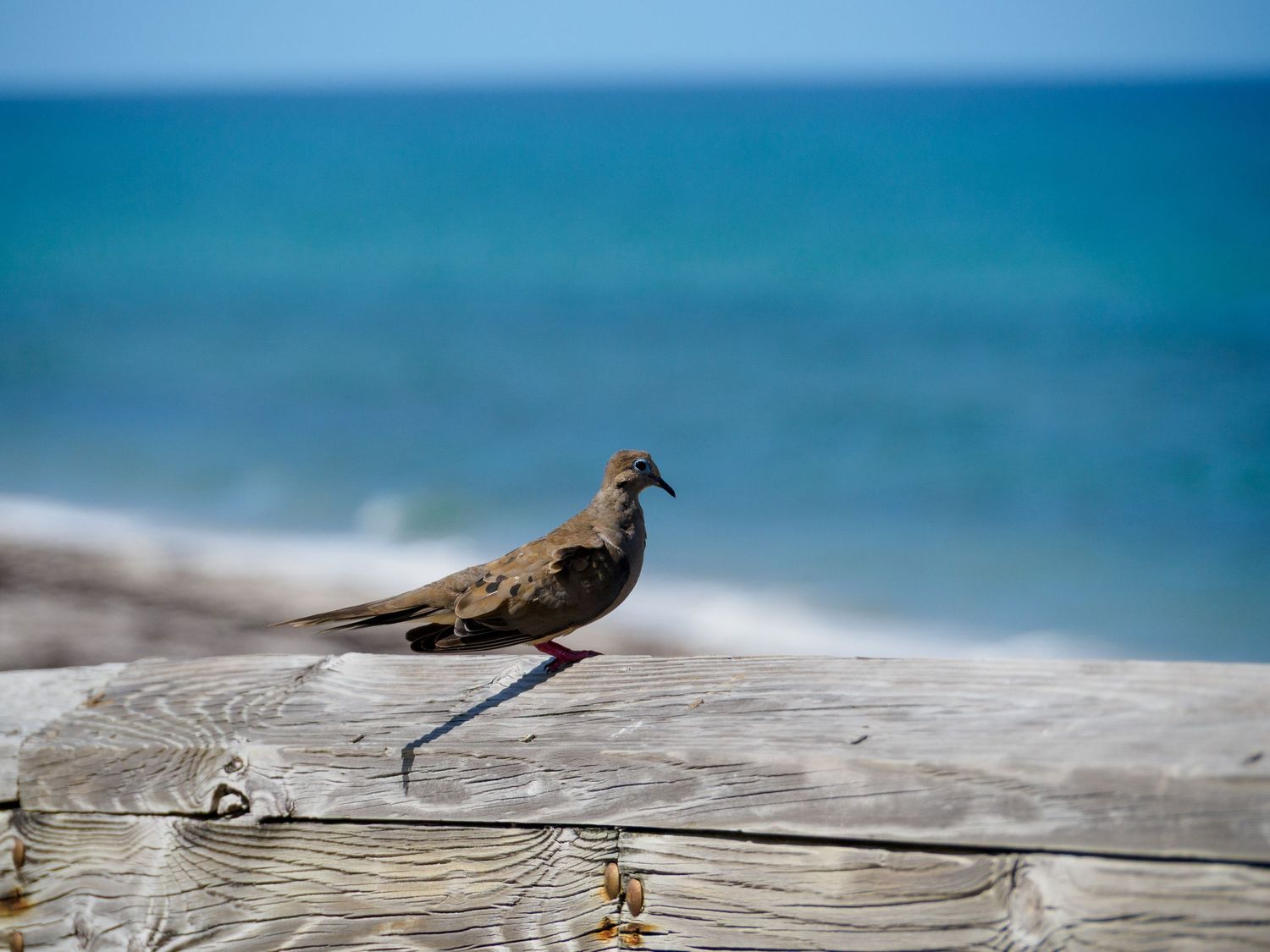
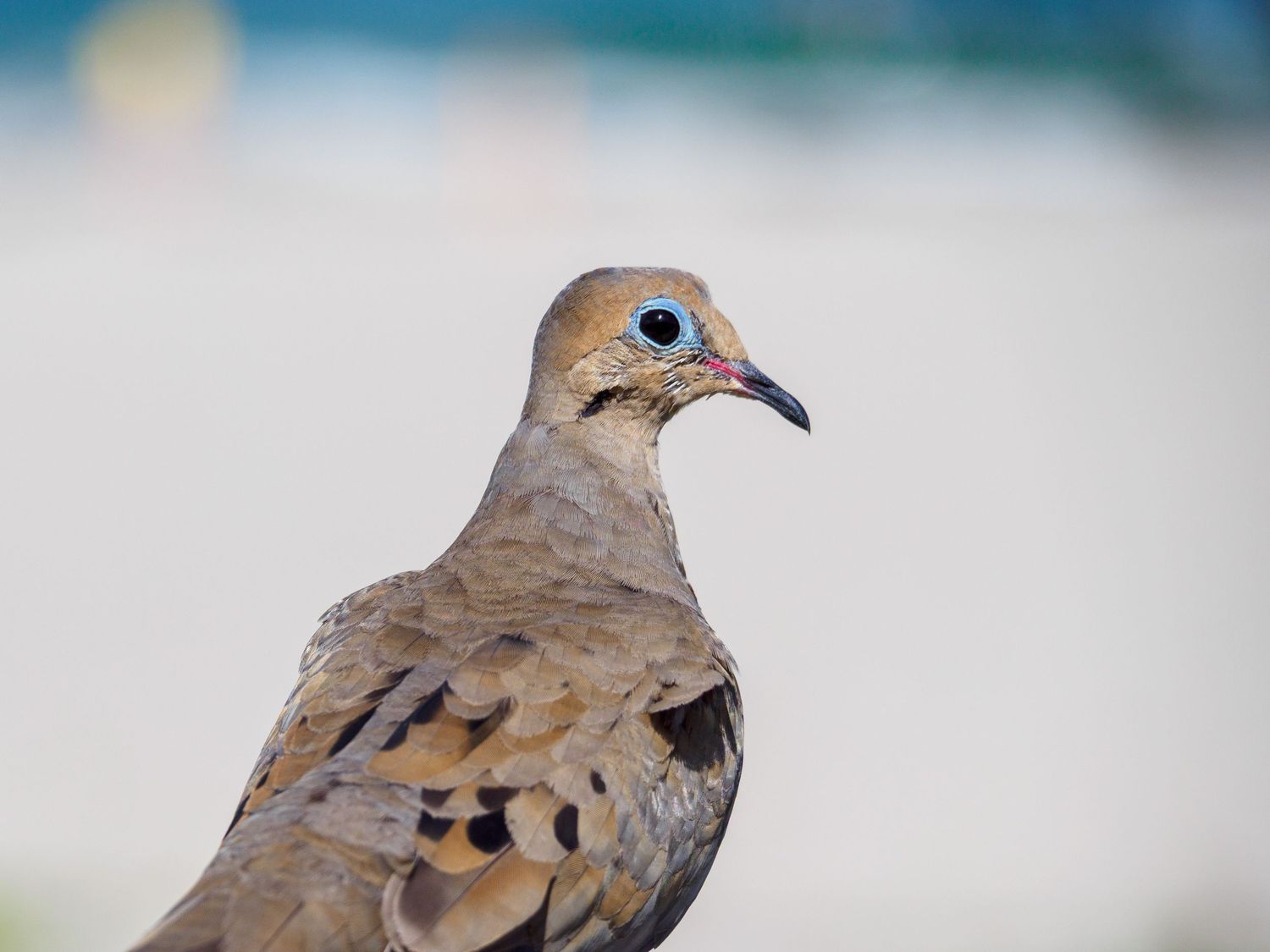
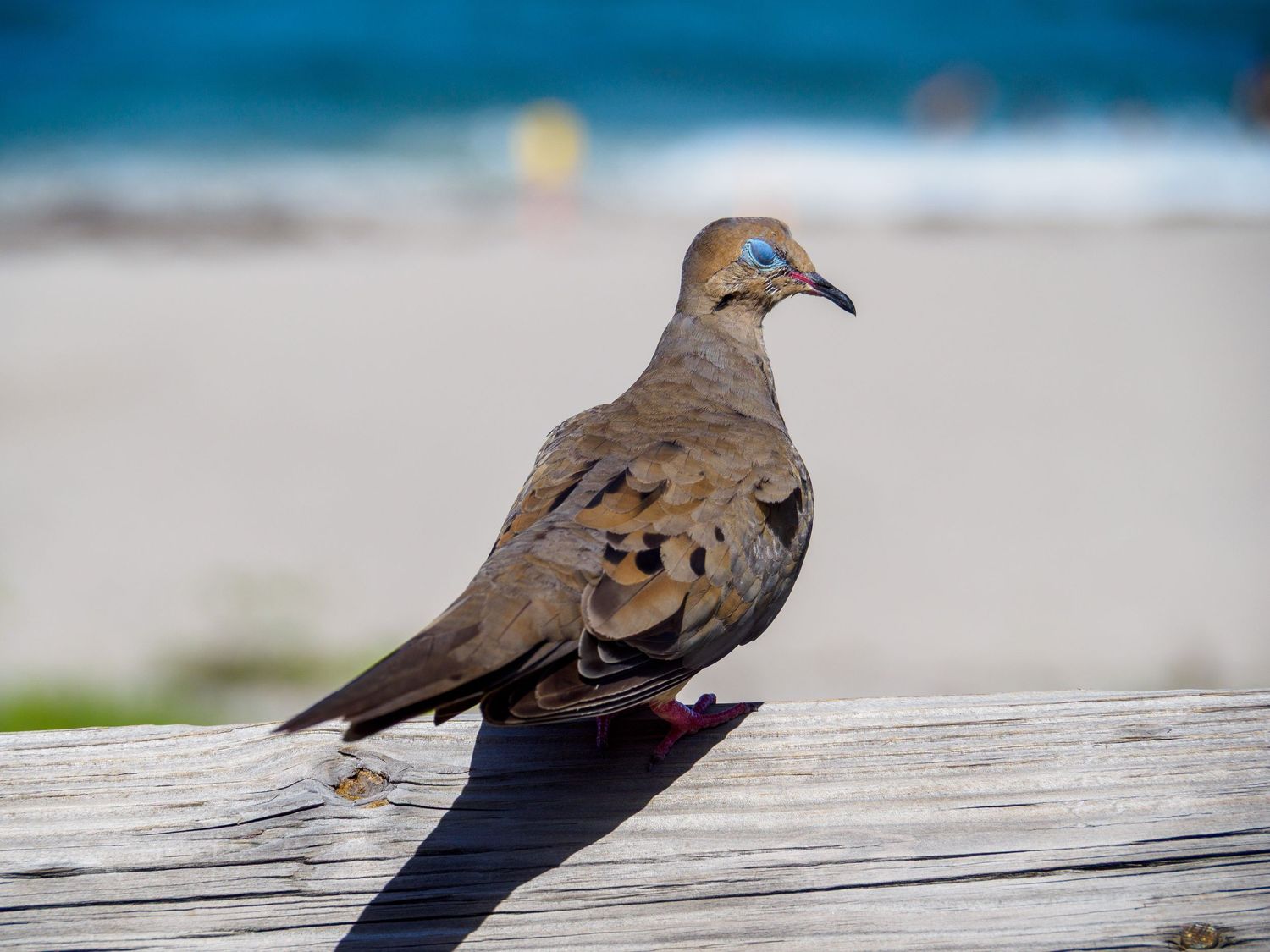
If you have a morning to spare, take a short drive or walk to the John D. MacArthur Beach State Park. Summer is peak nesting season, and the elevated boardwalk puts you right at eye level with the trees. You’ll spot Great Egrets, Wood Storks, Roseate Spoonbills, and Anhingas resting or feeding just feet away.
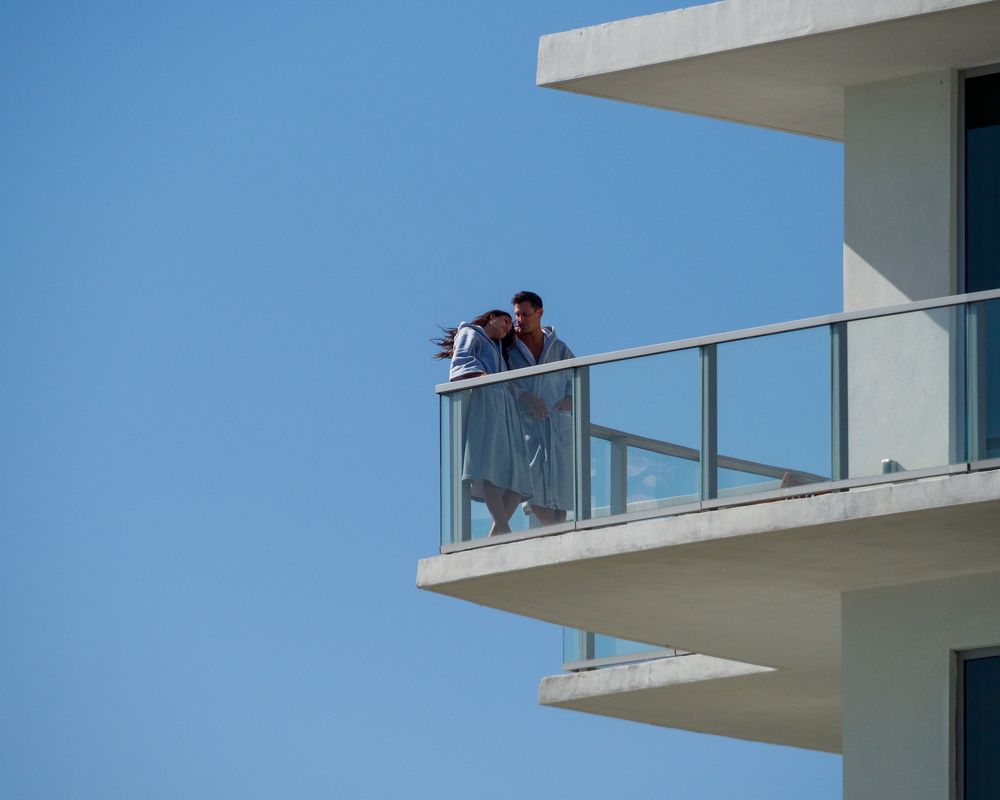
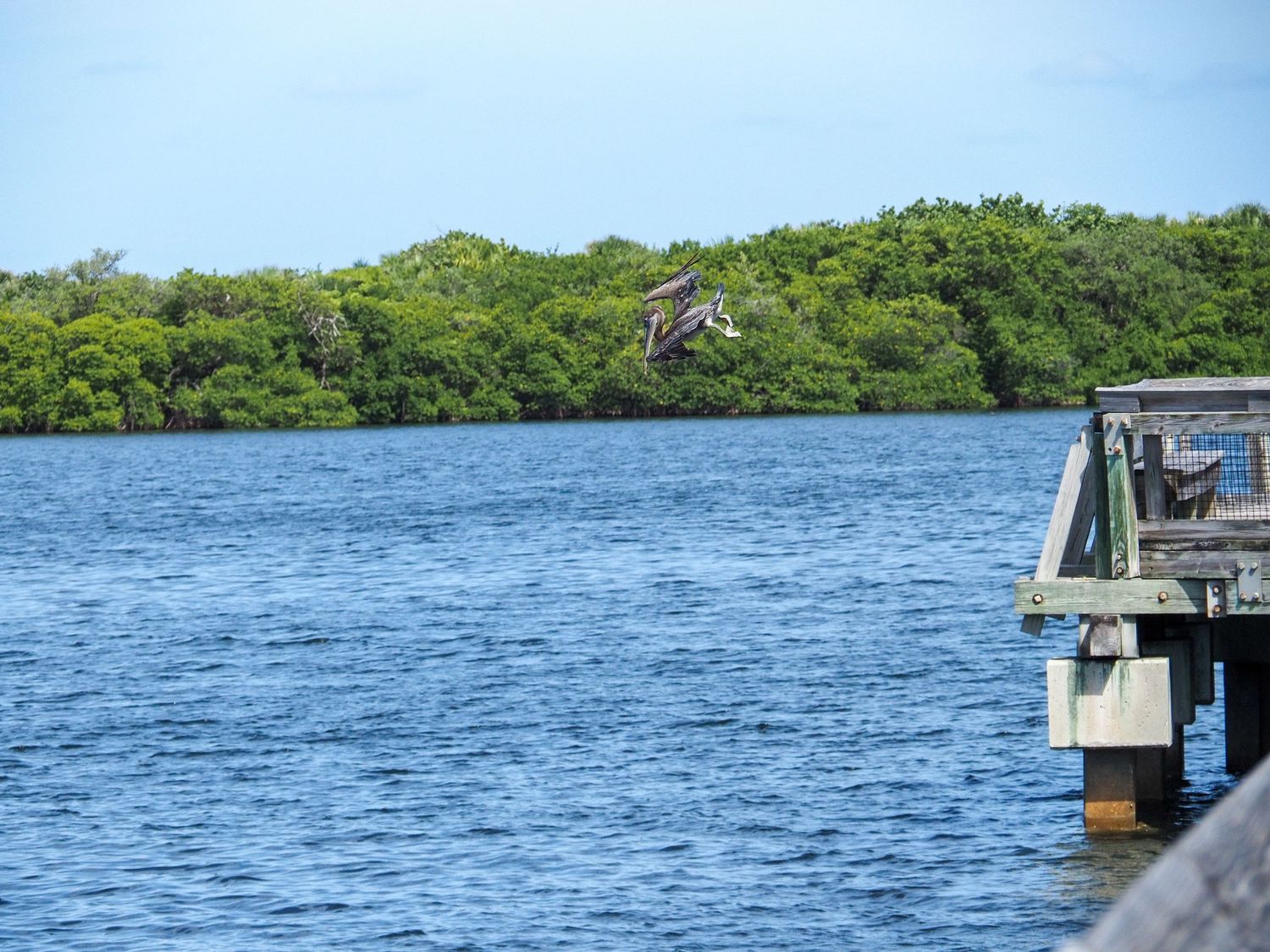
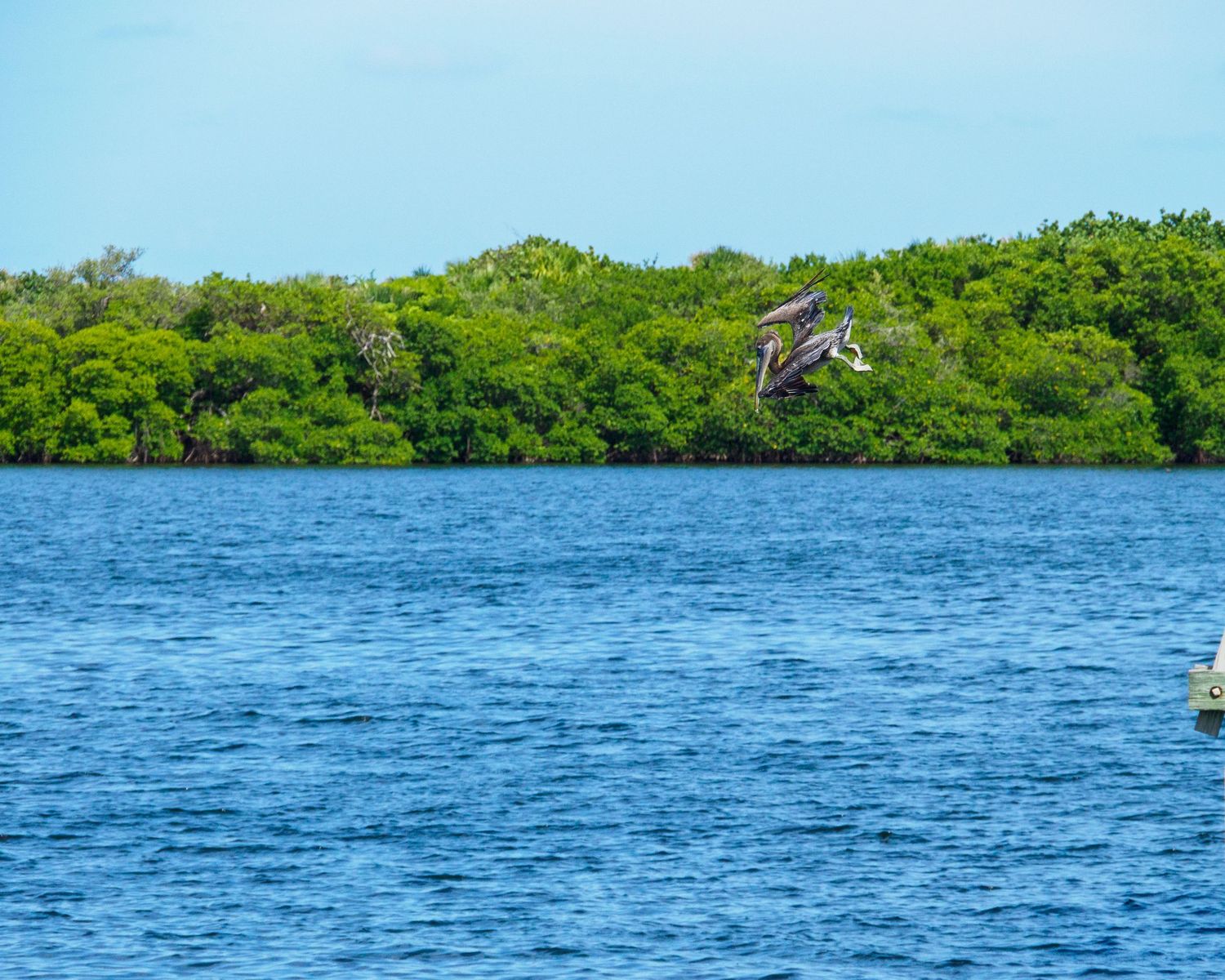
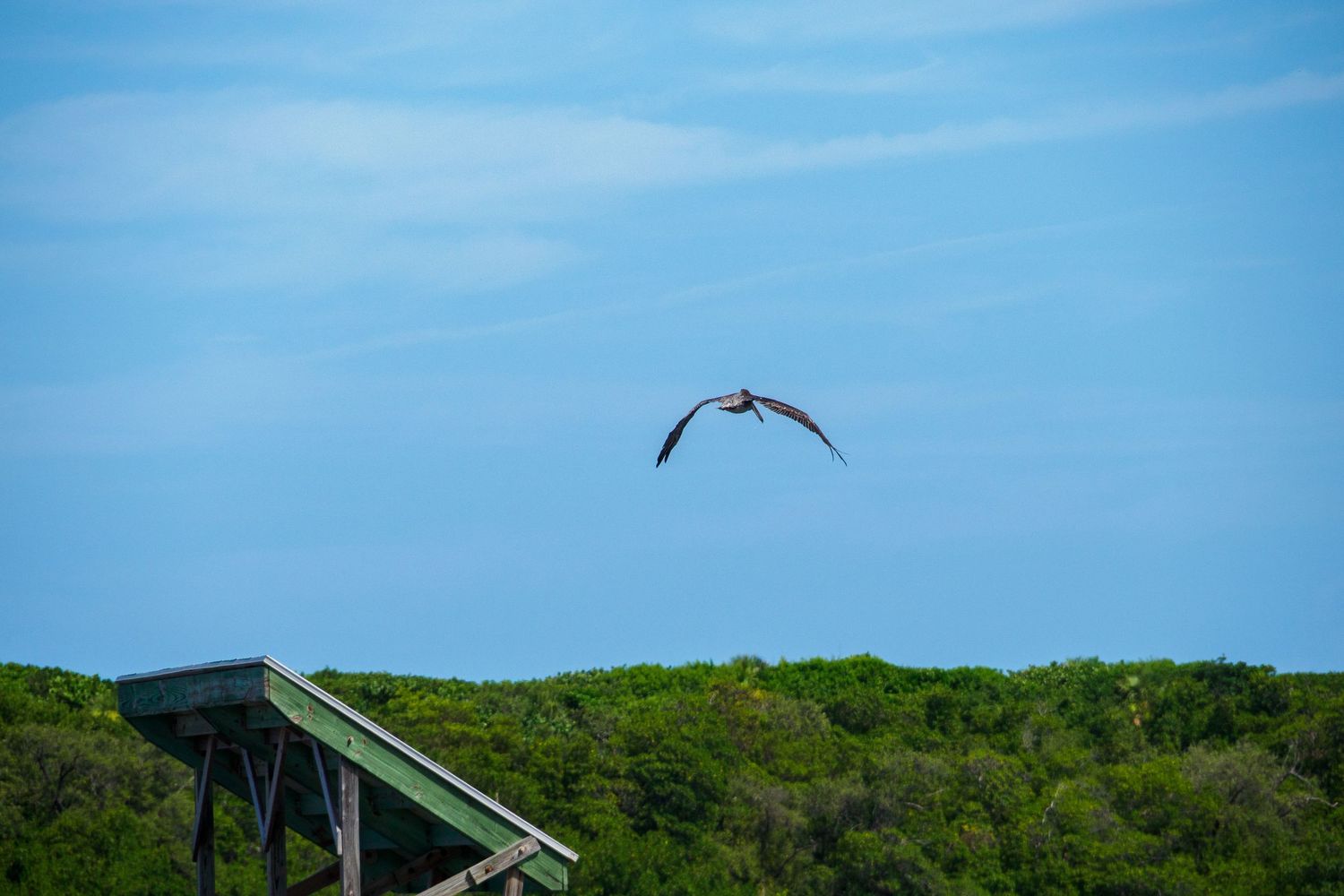
This is where the 14–150mm f/4–5.6 II lived on my camera. Because of the Micro Four Thirds 2x crop factor, shooting at 150mm gives you an effective 300mm field of view. Carrying a 300mm full-frame lens on a humid boardwalk for three hours is exhausting, but this lens fits in a small WANDRD bag.
A few things I learned while tracking birds in the marsh:
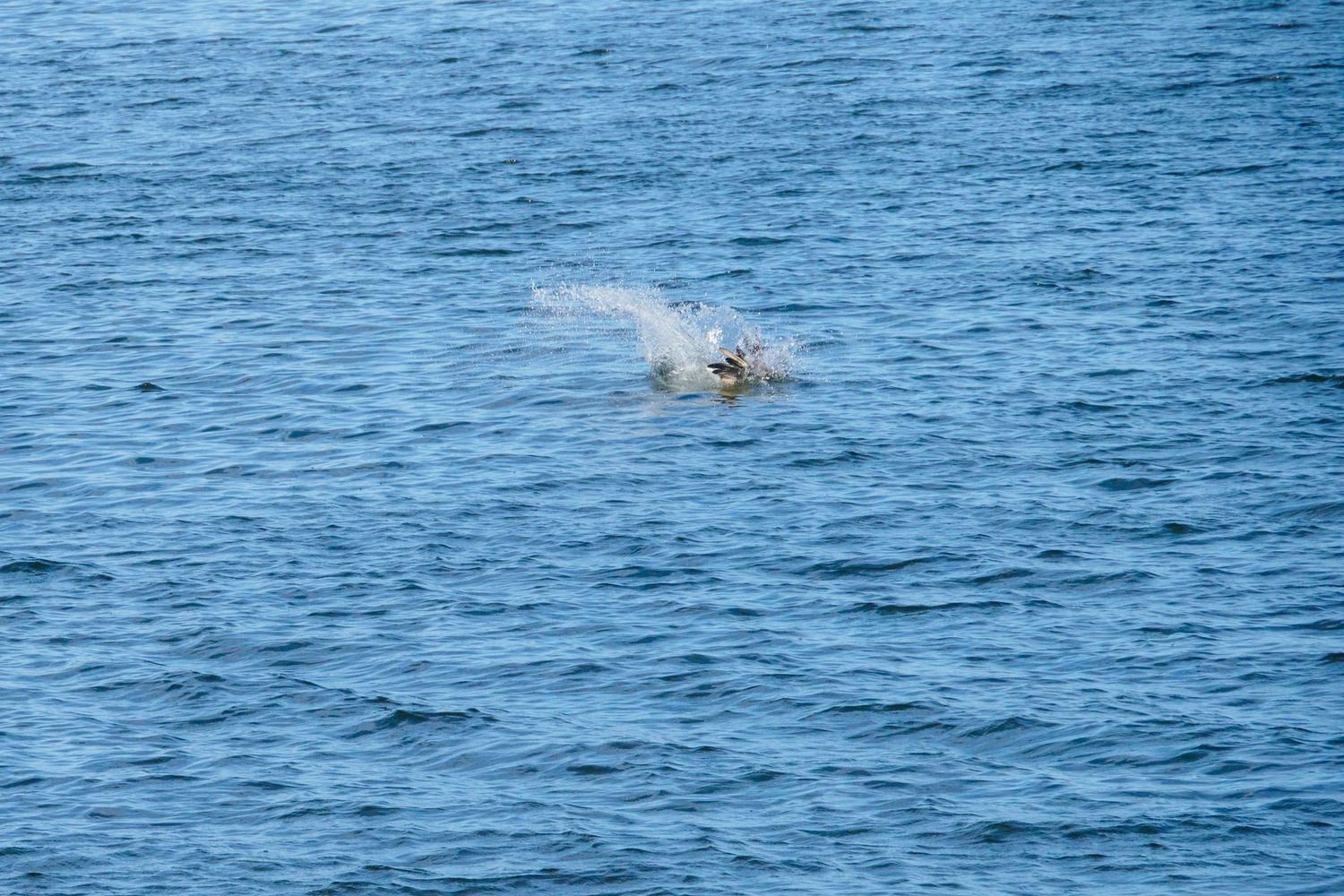
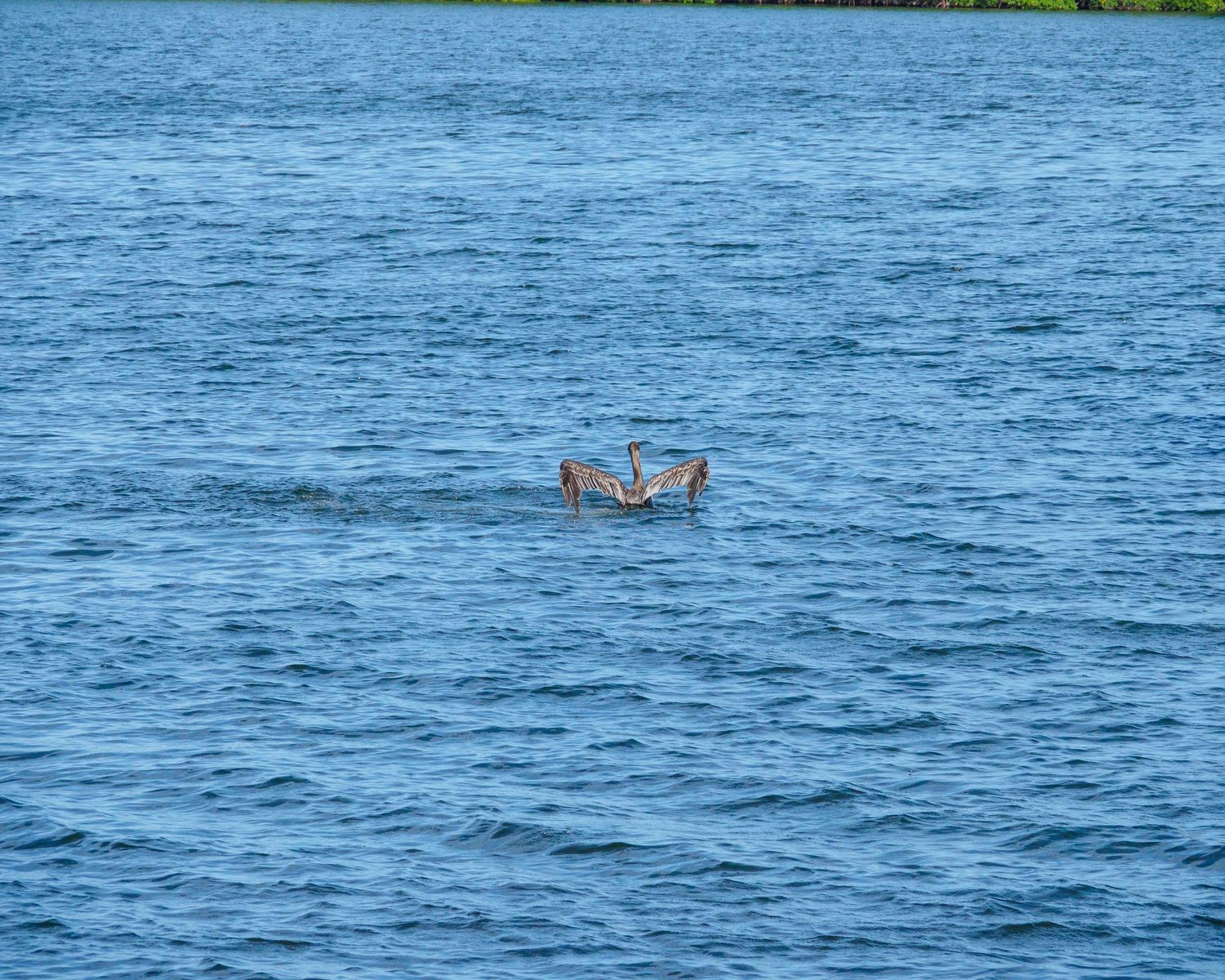
- Push the ISO when needed: Under dense cypress foliage, light drops quickly. To keep my shutter speed at 1/2000s for flight shots, I bumped my ISO to 1600 or 3200 without hesitation.
- Trust the phase-detect AF: Tracking birds flying through dappled light and tree branches can mess with autofocus. The OM-5’s phase-detection AF did a great job locking onto targets through dense foliage.
Practical Lessons for Summer Shooting
- Acclimate your gear: Moving from a 68°F air-conditioned room into 90°F humidity with 80% moisture will instantly fog up your front element. I left my camera inside its sealed bag for 15 minutes after stepping outside so the internal glass could warm up slowly.
- Lean on weather sealing: July afternoons in Florida always bring sudden, heavy downpours. The OM-5 and the 14–150mm both feature IP53 weather sealing, allowing me to keep shooting dramatic cloud formations and rain hitting the water without rushing for cover.
